TOYOTA 123.TO1113 Xle Cowl Vent Panel RAV-4
fits make: Toyota. year: 2013.
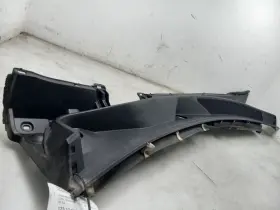
( Model: RAV-4 ), ( Conditions Options: 4d, Xle ), ( Genuine Oem: Yes ), ( Ipn: 123.to1113 ), ( Descriptionpartcondition: Used Good ), ( Manufacturer Warranty: 6 Month ), ( Placement On Vehicle: Front ), ( Type: Cowl Vent Panel ), ( Color: Black )
Review TOYOTA Xle Cowl Vent Panel fits RAV4 2013
The Toyota 123.to1113 2013 Rav4 XLE Cowl Vent Panel is a genuine Toyota replacement part designed to fit the specific ventilation system of the XLE model year 2013 Rav4 compact SUV. This cowl vent panel is expertly engineered to ensure optimal air flow and temperature control within the vehicle cabin.
Constructed from high-quality materials, this cowl vent panel boasts a sleek and stylish design that matches the original equipment manufactured by Toyota. The panel features multiple vents that allow cool air to be drawn into the vehicle through the cowl area, providing a more comfortable riding experience for passengers.
The 2013 Rav4 XLE Cowl Vent Panel from Toyota is equipped with a secure installation system that makes replacement quick and hassle-free. It comes with all necessary hardware and instructions for a straightforward DIY installation, although professional installation is also an option for those who prefer it.
In addition to improving temperature control and comfort, this cowl vent panel also contributes to the overall appearance of the vehicle by maintaining a neat and tidy look, making it an essential component for both functional and aesthetic purposes.
This replacement cowl vent panel is backed by Toyota's quality assurance and is warrantied against defects in materials and workmanship. Order yours today to enhance the comfort and performance of your 2013 Rav4 XLE.
Pros and Cons of Buying a Toyota 2013 Rav4 XLE Cowl Vent Panel
I. IntroductionThe Toyota 2013 Rav4 XLE Cowl Vent Panel is an accessory that can enhance the comfort level inside your vehicle by providing additional ventilation. This article aims to help potential buyers make an informed decision by presenting a list of pros and cons related to purchasing this part.
II. Pros1. Improved Cabin Comfort: The cowl vent panel can help in circulating fresh air throughout the cabin, reduce window fogging, and provide a more consistent temperature distribution inside the vehicle.
2. Enhanced Convenience: The additional vents can offer relief from harsh sunlight or keep the interior cool during hot weather, which is especially beneficial during long drives or hot climates.
3. Easy Installation: The cowl vent panel usually comes with clear instructions and does not involve extensive mechanical knowledge or professional installation, allowing most people to install it themselves.
4. Durable Material: Most Toyota OEM (Original Equipment Manufacturer) parts, including the cowl vent panel, are known for their high-quality materials and long-lasting construction.
5. Aesthetics: This accessory can improve the overall look of the vehicle's interior, as it fits seamlessly with the original design of the Rav4 XLE model.
III. Cons1. Cost: While this is a relatively minor upgrade, the cost of the cowl vent panel might be a deterrent for some buyers, as it involves an additional expense on top of the vehicle's price.
2. Not Essential: Ventilation in the Rav4 XLE comes standard with the vehicle, making the cowl vent panel an optional and non-essential purchase for those okay with the existing cabin comfort.
IV. ConclusionFor car owners looking for improved cabin comfort and convenience, the Toyota 2013 Rav4 XLE Cowl Vent Panel can be a worthy investment. The benefits, such as enhanced ventilation, quick self-installation, and the addition of a premium-looking touch to the interior, may well outweigh the perceived drawbacks, including the investment cost and the fact that the panel is not essential for the vehicle's base functionality.
V. RecommendationBased on the advantages and disadvantages outlined above, it is recommended that potential buyers consider their needs, preferences, and budget before deciding to purchase a Toyota 2013 Rav4 XLE Cowl Vent Panel. The decision should be based on the individual's preference for improved cabin comfort or added convenience and whether the investment aligns with their budget.
Details:
specifications guardprocure:
- for makes: Toyota
- for years: 2013
- model#: RAV-4
- conditions options: 4d, Xle
- genuine oem: Yes
- interchange part number: 123.TO1113
- descriptionpartcondition: Used Good
- manufacturer warranty: 6 Month
- placement on vehicle: Front
- type: Cowl Vent Panel
- color: Black
seller guardprocure:
- # reviews: 5121
- city: Rancho Cordova, California
- rating: 96.5%
general guardprocure:
- Exterior Parts Accessories > Guards Protection > Additional Guards Protection
- condition: Used
shipping guardprocure:
- class: Standard
- cost: $45.00
- transit: 5-11 Days
- type: Fixed
- service: Standard
payments guardprocure:
- wallet: Google-pay
- other
- credit card: Discover
returns guardprocure:
- time: 30 Days
- policy: Returns Accepted
- paid by: Buyer
offer guardprocure:
- quantity: 1
- started: February 3, 2025
- sold: 0
- options: Ship-to-home
- best offers: True
- availability: In Stock
Toyota RAV-4 Is Similar To:
- Toyota 58742-02060 Genuine Quarter Panel Protector (41.2% similar) Parts must be resalable and in the original packaging. Shipping carrier substitutions may be made at our determination in an attempt to reduce shipping cost the customer. Electrical parts are not returnable. Parts department. All parts are genuine toyota...(July 27th, 2024)
- Toyota 58745-47010 Genuine Quarter Panel Protector (39.2% similar) To find the best deals online when buying genuine toyota parts, visit only southwest parts. Our toyota parts team is here to help. Shipping carrier substitutions may be made at our determination in an attempt to reduce shipping cost the customer. You can trust southwest toyota parts to be your...(July 27th, 2024)
- Toyota 58747-06100 Genuine Camry Quarter Panel Rock Protector (37% similar) Return shipping is to be paid by the customer. No other stickers/stamps. All manufacturer labels must still be in tact.this means the bar codes cannot blacked out. Parts that have been installed or used non returnable. Original shipping is non returnable. Electrical parts are not...(August 15th, 2024)
- Toyota 58743-04020 Genuine Side Panel Protector (40.4% similar) Electrical parts are not returnable. Parts must be resalable and in the original packaging. Shipping carrier substitutions may be made at our determination in an attempt to reduce shipping cost the customer. You can trust southwest toyota parts to be your source for all parts needs...(August 16th, 2024)
- Toyota 58748-06100 Genuine Quarter Panel Protector (37.1% similar) Electrical parts are not returnable. Our toyota parts team is here to help. Parts must be resalable and in the original packaging. You can trust southwest toyota parts to be your source for all parts needs. Shipping carrier substitutions may be made at our determination in an attempt to...(August 16th, 2024)
- Toyota 76928-04020 2016-2023 Tacoma Side Panel Protector New Oem (43.2% similar) Part #: toyota 76928-04020 for sale...(September 8th, 2024)
- Toyota 76926 04050 2016-2023 Tacoma Left Front Side Panel Protector New Oem 76926-04050 (38.8% similar) This oem left front side panel protector is a perfect fit for your 2016 -2023 toyota Tacoma. The clear color allows the natural beauty of your car to shine through while keeping it safe from scratches and minor impacts. The computer cut design ensures precision and the oem part numbers 76926...(September 8th, 2024)
- Toyota 58748-07010 Genuine Quarter Panel Protector (39.2% similar) You can trust southwest toyota parts to be your source for all parts needs. Parts must be resalable and in the original packaging. Shipping carrier substitutions may be made at our determination in an attempt to reduce shipping cost the customer. Our toyota parts team is here to help...(September 14th, 2024)
- Toyota 55708-06140 2012-2017 Camry Windshield Cowl Vent Panel (59.3% similar) Part #: toyota 55708-06140 for sale...(September 18th, 2024)
- Lebra 551169 Front End Mask Bra Cover For 2009 2010 Toyota Corolla Base Le Xle 1997 (21.4% similar) Included:: front end mask bra cover for 2009 2010 toyota corolla. Please see photos. Not included:: no screws, bolts or any other accessories...(September 26th, 2024)
- Toyota 55708-0r030 2013-2018 Rav4 Windshield Cowl Vent Panel (67.3% similar) Part #: toyota 55708-0R030 for sale...(September 30th, 2024)

5 offers $174.30–$212.49 USD
- Used. Offer #1 priced at $195.00 + $0.00 delivery = $195.00* total. CARS INVENTORY Donor vehicle: 2021 Toyota RAV4 XLE AWD (Made in Canada).FREE SHIPPING
- Used. Offer #2 priced at $212.49 + $75.00 delivery = $287.49* total. -Replace pilot bushing. Cowl Vent Panel 2016 RAV 4 55700-42480.+$75.00 shipping
- Used. Offer #3 priced at $174.30 + $Calculated delivery = $174.30* total. Ryan Ferrell Model RAV 4.+$Calculated shipping
- Used. Offer #4 priced at $157.70 + $0.00 delivery = $157.70* total. FREE SHIPPING
- New. Offer #5 priced at $89.99 + $0.00 delivery = $89.99* total. D esigned with superior durability in mind, our Windshield Wiper Cowl Panel is built to last, providing you with dependable and long-lasting performance. R est assured, our Windshield Wiper Cowl Panel is engineered for a precise fit, making installation quick and hassle-free.FREE SHIPPING